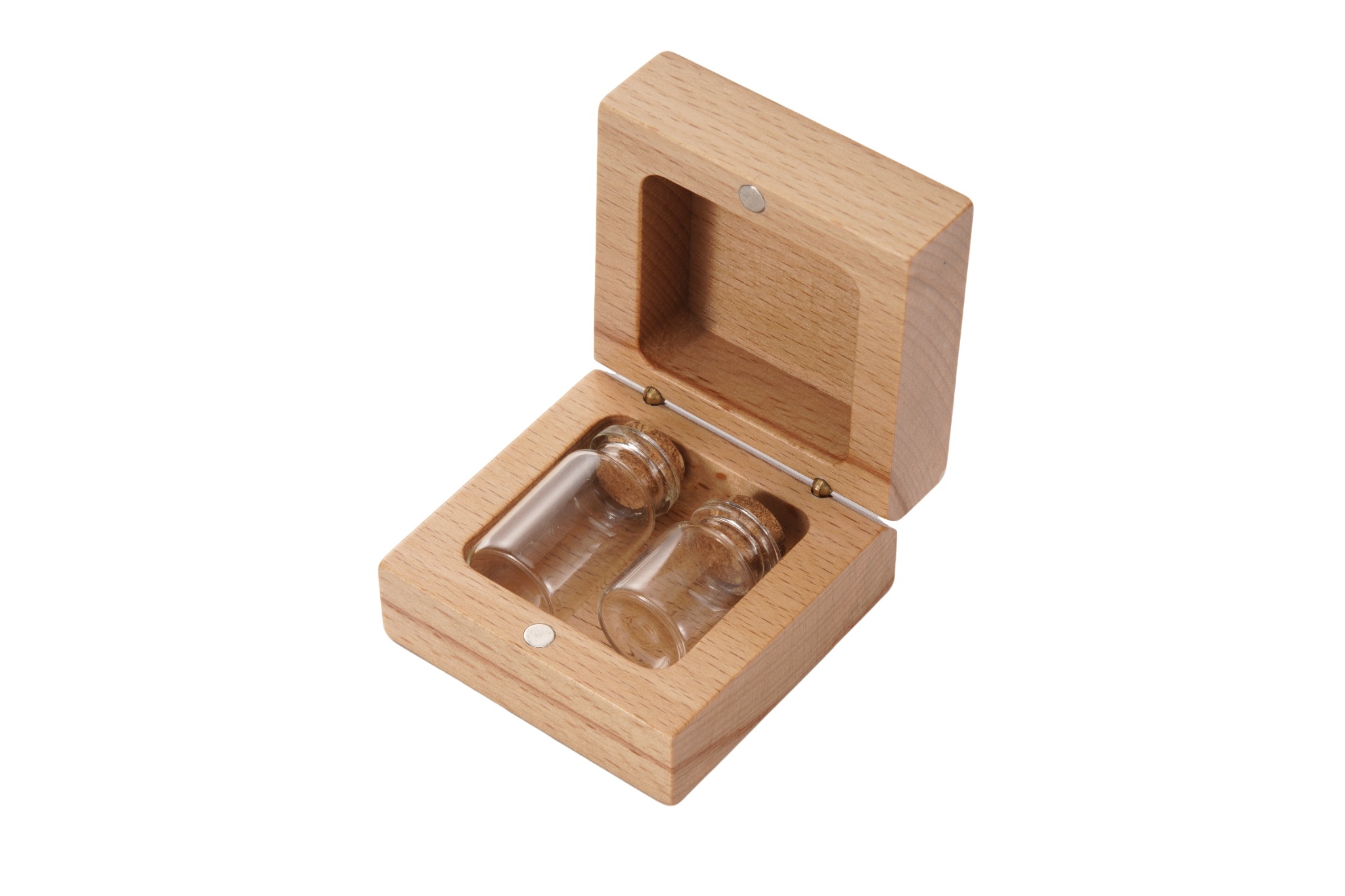
A thoughtful pet memorial collection requires more than selecting individual products from a catalogue. For retailers, pet aftercare providers and independent brands, the goal is to curate designs that feel consistent, give grieving families meaningful choices and fit the way the business serves its market.
When planning your range, a focused collection with a clear direction is a more useful starting point than a large assortment without a distinct identity. Here are some practical considerations for building a coherent pet memorial product line.
Start with the customers you serve
Before selecting products, consider who will present or recommend them to the final customer. Different buying situations call for different product mixes:
- Specialist memorial retailers may need a collection that serves different customer preferences, from simple designs to more distinctive forms.
- Pet aftercare providers may prefer a smaller, carefully selected range that can be discussed sensitively with families.
- Independent brands may be looking for a recognizable design direction that can be developed over time.
For the family receiving a memorial product, the material, shape and personal details all contribute to how that remembrance is expressed. For retailers, offering a thoughtful mix of designs helps customers find an option that feels appropriate to them.
Before sourcing, ask:
- Who will purchase or recommend the products?
- Where will customers see or choose them?
- Which product forms are relevant to your current assortment?
- Is personalization important to your customers?
- Are you starting with existing designs or planning a new product direction?
Clear answers make it easier to shortlist suitable products and prepare a more effective supplier inquiry.
Build a coherent mix of materials and forms
Material choice influences the appearance and character of a memorial product. Caryjest’s current collection includes selected designs using wood, ceramic and 3D-printed forms.
Rather than choosing materials simply to increase the number of products, consider how each design contributes to the overall range:
- Wooden designs can offer a warm, natural visual direction.
- Ceramic designs can support sculptural shapes and a different visual character.
- 3D-printed designs can provide additional possibilities for shapes and surface details.
For the end customer, these different forms can create different ways to remember a companion. For the retailer, a considered mix gives customers meaningful choices while keeping the collection commercially coherent.
The right material depends on the specific design, intended use, surface, dimensions and personalization requirements. Suitability should be confirmed for each product rather than assumed across an entire category.
A practical range can begin with a small number of complementary designs. You can expand it when buyer feedback or a clear market requirement identifies a genuine gap.
Plan personalization around the product
Personalization allows a retailer to offer a more individual product without starting every project from a completely new design.
Depending on the product and material, personalization may include:
- A pet’s name and dates
- A pet portrait
- A short memorial message
Caryjest can discuss laser engraving and UV printing for suitable product and material combinations. JPG artwork can be used as a starting point for reviewing a request. The final method and feasibility depend on the selected product, surface and artwork.
When preparing artwork, provide a clear image and the exact name, dates or message you want to use. If you have a reference showing the preferred placement or appearance, include it as well. This helps the supplier review the request and confirm a suitable approach.
Existing designs vs. new product development
One of the most important sourcing decisions is whether you want to personalize an existing design or develop a new product shape or size. Defining this early helps set realistic expectations for quantity and quotation.
Personalizing selected existing designs — from 1 piece
If the product form already fits your needs and you want to add a name, dates, portrait or message, personalization for selected existing designs can start from 1 piece. This can be useful when evaluating a design or fulfilling a specific customer request.
New product development — generally MOQ 50
If you need a new size or exterior shape that is not available in the current collection, this requires a separate development discussion. New shape or size development generally starts from MOQ 50, subject to review of the actual project.
In practical terms:
- Choose an existing design when the product form already fits your needs and you mainly require personal details.
- Discuss new development when the required size, shape or overall product form is not available in the current collection.
These are different project types, so identifying which direction you need will help make the inquiry and quotation process more efficient.
Ask about a sample
A sample can help you review a product’s appearance and suitability before moving forward.
The first sample is provided free of charge. Shipping costs are paid separately. The exact shipping fee depends on the sample and selected delivery method, and will be confirmed after inquiry.
When asking about a sample, tell us which product you are interested in and your delivery destination. This allows the sample and shipping arrangements to be reviewed for your request.
Prepare a clear sourcing brief
A useful inquiry does not need to be complicated. It just needs to give the supplier enough context to understand what you are looking for.
When contacting Caryjest, consider including:
- Product reference: the product or design you are interested in, with a collection link or reference image.
- Material and size: your preferred material and approximate dimensions, if known.
- Personalization: the name, dates, portrait or message you would like to include.
- Quantity and project type: whether you are considering personalization of an existing design or a new shape or size.
- Sample and destination: whether you would like a sample and the country or destination for shipping.
- Market and presentation: your target market and any relevant labeling or packaging requirements.
You do not need to have every detail finalized before making an inquiry. If some requirements are still open, list them as questions rather than treating them as confirmed specifications.
Develop your collection with purpose
A successful pet memorial range balances empathy for the end customer with practical decisions for the B2B buyer. Start with designs that make sense for your customers, review suitable personalization options and expand when there is a clear reason to do so.
- Explore current product directions: visit the Caryjest Memorial Collection.
- Discuss your product range: contact Caryjest to ask about personalization, a first sample or a new product development project.